We're Here to Assist You
Yellow Jacket Control: A Recent Job & Some Homeowner Tips
Category: Holiday
Published: September 08, 2026
By John, Owner, PestMaster
What I Walked Into
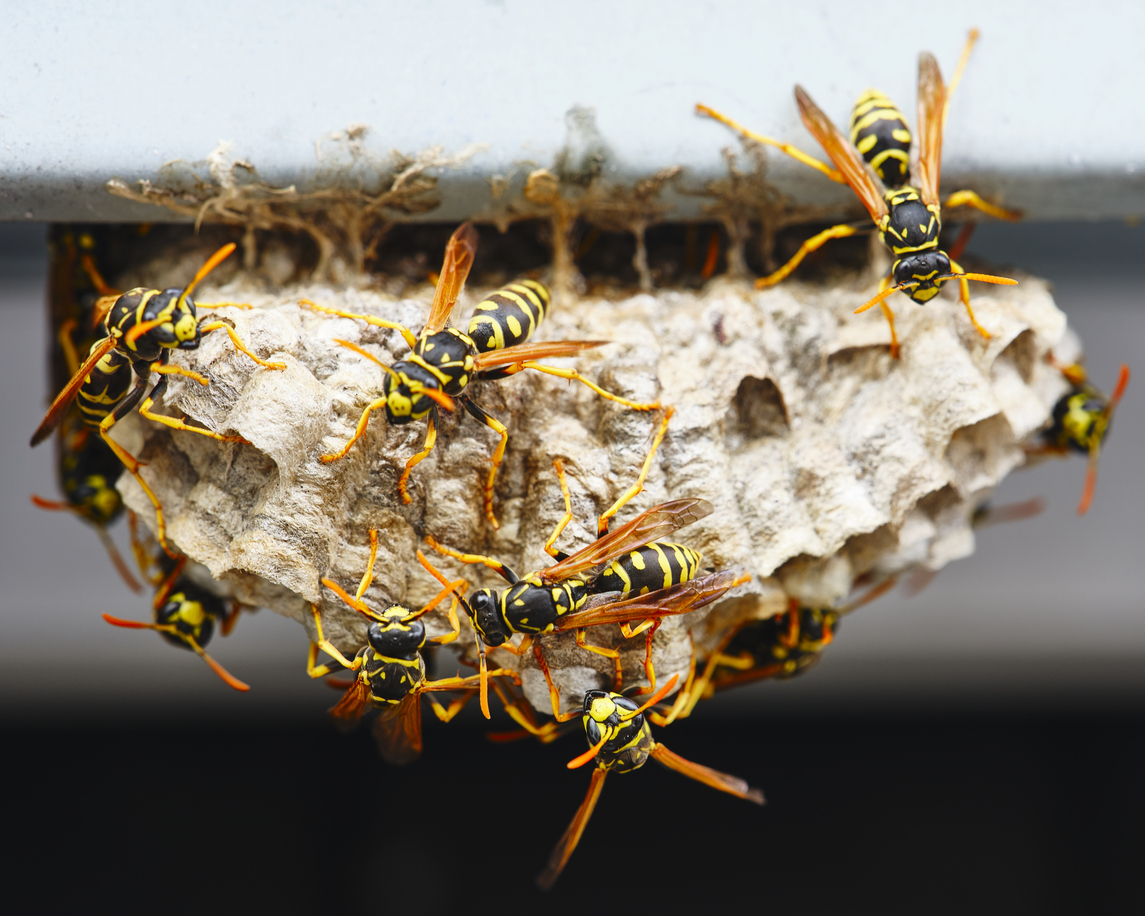
September brought a yellow jacket concern from a Newark homeowner who had noticed insects repeatedly flying near the back steps.
At first, the homeowner thought the activity was connected to the nearby rubbish bins. However, the insects continued returning even when no food or drinks were outside.
I began by observing their movement from a suitable distance. In this example, the flight pattern led toward a small ground opening beside the edge of a landscaped area.
That repeated traffic gave the inspection a more specific focus. The concern involved a suspected nest close to a regularly used route between the house and yard.
Before discussing treatment, I explained why the homeowner should avoid gardening, digging or carrying out maintenance near the opening.

The Problem
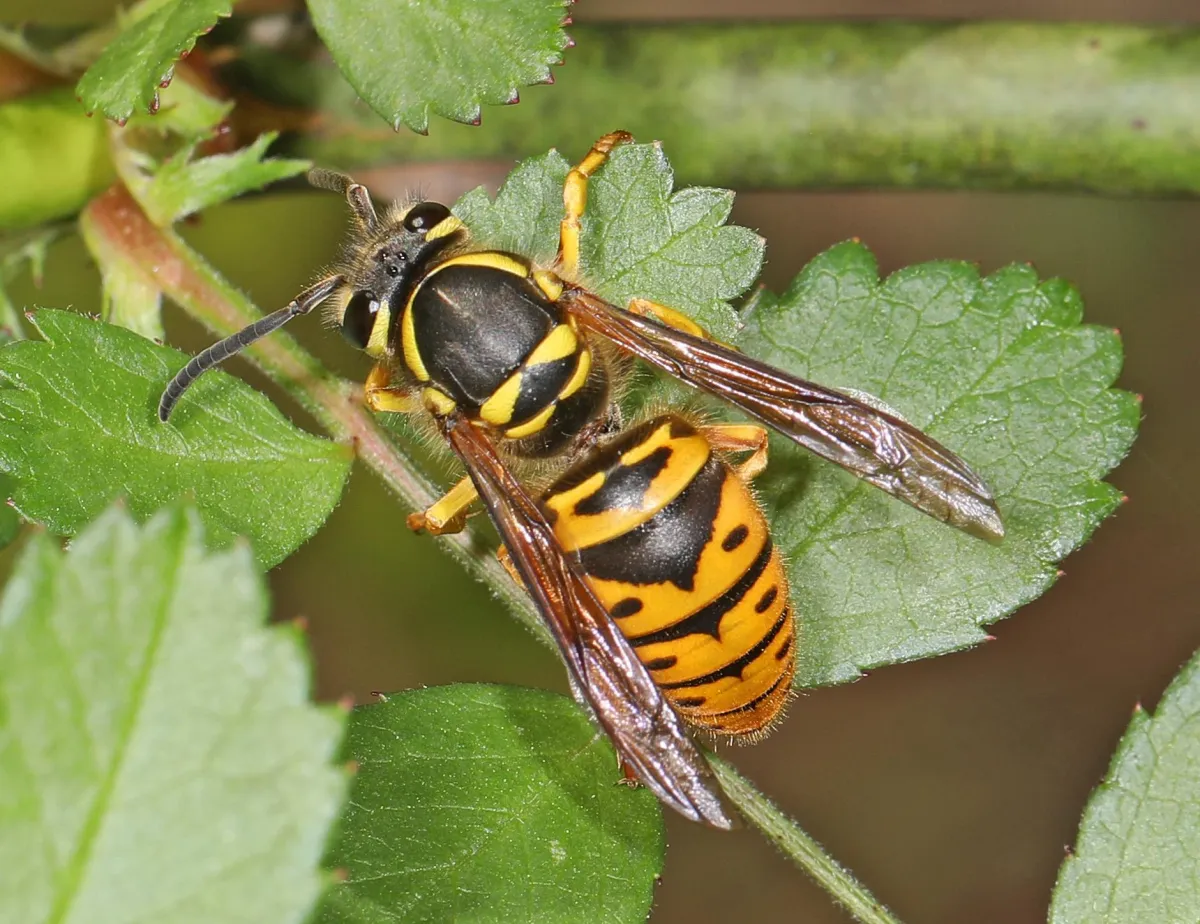
The main concern was the location of the activity. The suspected nest was close to a route the homeowner used for taking out rubbish and accessing the yard.
Yellow jackets can nest in the ground, and a small entrance may be easier to miss than a visible nest hanging above it.
September also falls within the late-summer and early-fall period when yellow jackets can become a nuisance around sweet drinks and food. Nearby food waste may attract visiting insects, although it does not establish where their nest is located.
The inspection therefore needed to distinguish food-related visits from repeated movement associated with a nest.
In this example, addressing only the rubbish area would have left the suspected source unresolved. The flight pattern and entrance location were essential to planning the service.
The Process
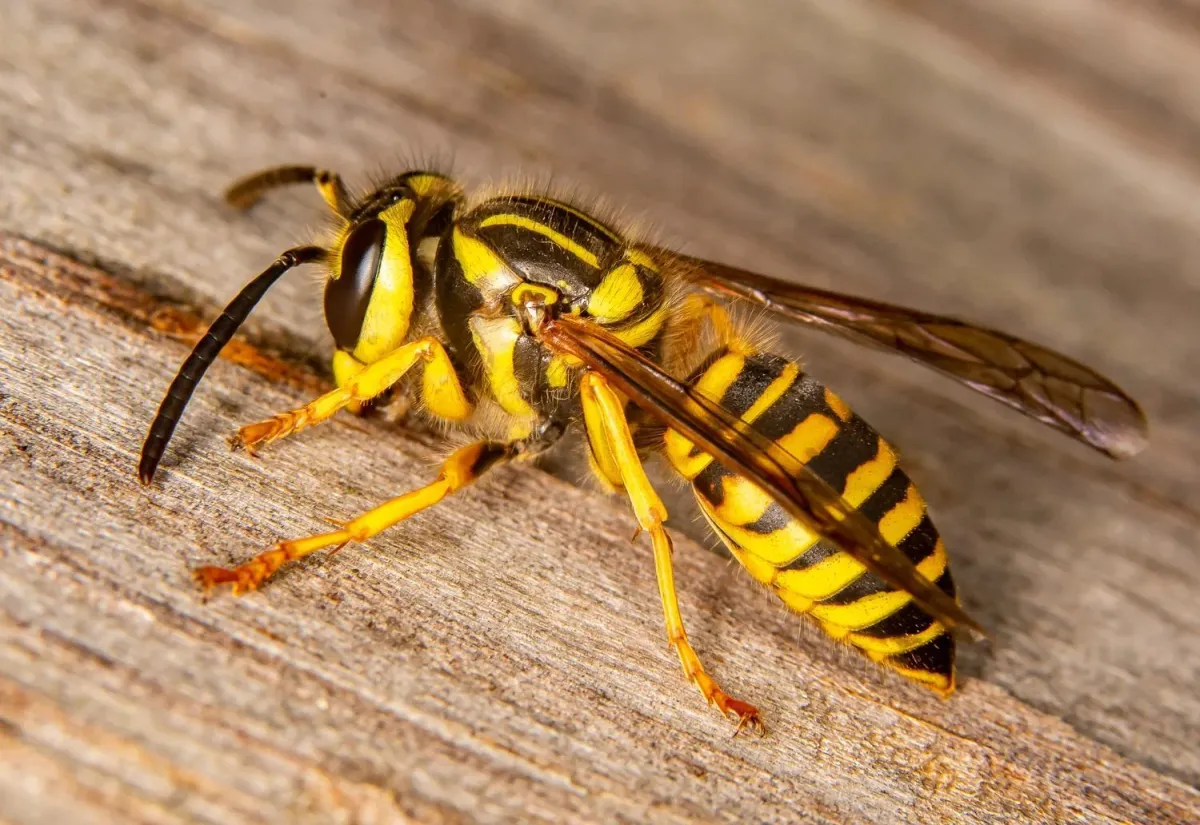
I first assessed the apparent insect type and observed the repeated traffic into the opening.
I reviewed the surrounding area, including the walkway, landscaping and access needed for the proposed service. I then explained the findings and agreed treatment scope with the homeowner.
The plan included suitable professional treatment directed at the identified nest location, with clear instructions for keeping the area undisturbed during and after service.
I also discussed rubbish-bin maintenance and promptly clearing outdoor food and drink waste. These measures would help reduce food attractions around the property.
Finally, I explained what continued activity to report and when a follow-up assessment would be appropriate. The homeowner had a clear point of contact if the original concern persisted.
The Outcome
In this draft example, a follow-up assessment found no continued yellow jacket traffic at the treated opening.
The homeowner could resume using the nearby route after the applicable service instructions had been satisfied. They also began keeping the rubbish bins closed and cleaning food residue around the storage area.
The important result was that the suspected source had been identified and addressed. The homeowner understood why the activity had been concentrated near the back steps.
Occasional yellow jackets could still visit from elsewhere. Resolving one nest does not prevent all future insects from entering a yard, so prevention advice remained part of the conversation.

DIY Advice
Keep rubbish bins closed and clean food residue around their lids and storage areas. Clear outdoor meals and drink containers promptly.
Watch for repeated insect traffic into one opening from a distance. A clear description of the location can help a professional assess the concern.
Avoid swatting at yellow jackets or disturbing a suspected nest. Rutgers advises against swatting because it can provoke defensive behavior.
Do not dig around a suspected ground nest, insert objects into the entrance or attempt to block it yourself. Postpone nearby gardening and maintenance until the activity has been assessed.
Keep people and pets away from the affected area. If the suspected nest is beside an entrance, walkway or outdoor seating area, request professional help.
"It's brighter than before!"
— Megan
Professional Insight
A feeding location and a nesting location are not always the same place.
Yellow jackets gathering around a bin may be visiting from elsewhere. Repeated traffic into a ground opening provides a different clue and can help guide the assessment.
Correct identification is also important. Bees and different wasps should not automatically receive the same response.
A useful inspection connects the insect, its activity pattern and the property conditions. That allows the proposed service to focus on the identified concern and gives the homeowner a clearer explanation of the next steps.
For this example, observing the flight pattern was the detail that moved the assessment beyond a general complaint about insects near rubbish bins.
Closing Thoughts
September yellow jacket activity deserves attention when it is concentrated near an entrance, walkway or area your family uses regularly.
Keep your distance from suspected nests, manage outdoor food waste and describe the activity clearly when requesting help.
For yellow jacket control at your Newark property, call PestMaster at (973) 453-0798 or complete our website form.
— John, Owner of PestMaster

Services
Address
625 Broad St, Suite 240, Newark, NJ 07102
Contact Us
Call: (973) 453-0798
© PestMaster. All Rights Reserved.